Predictive traffic and weather alerts
Live congestion, storm cells, and road closures are merged into one plan, so ETAs adjust before delays snowball into missed appointments.
One blocked route can cascade across every shift. Your briefing should know before you do, and it should arrive with traffic, weather, port, and fleet context already woven together. Could your current handover say that honestly?
Leading AI Briefing builds shift-specific route optimisation briefs that help directors, dispatchers, and fleet managers start the day with a cleaner plan, faster reroutes, and fewer surprises at the dock.
We believe the best logistics briefing is short, sharp, and decisive. These features keep that promise without burying your shift lead in noise.
Live congestion, storm cells, and road closures are merged into one plan, so ETAs adjust before delays snowball into missed appointments.
Historical lanes and current fleet conditions are compared in seconds, helping you choose the route that uses less fuel without gambling on punctuality.
Congestion, berth availability, and customs status are summarised in plain English. Why chase three dashboards when one brief can surface the bottleneck?
Active routes, incidents, fuel consumption, and ETA variances sit together in one dark operational view. It feels calm, even when the network isn’t. That’s the point.
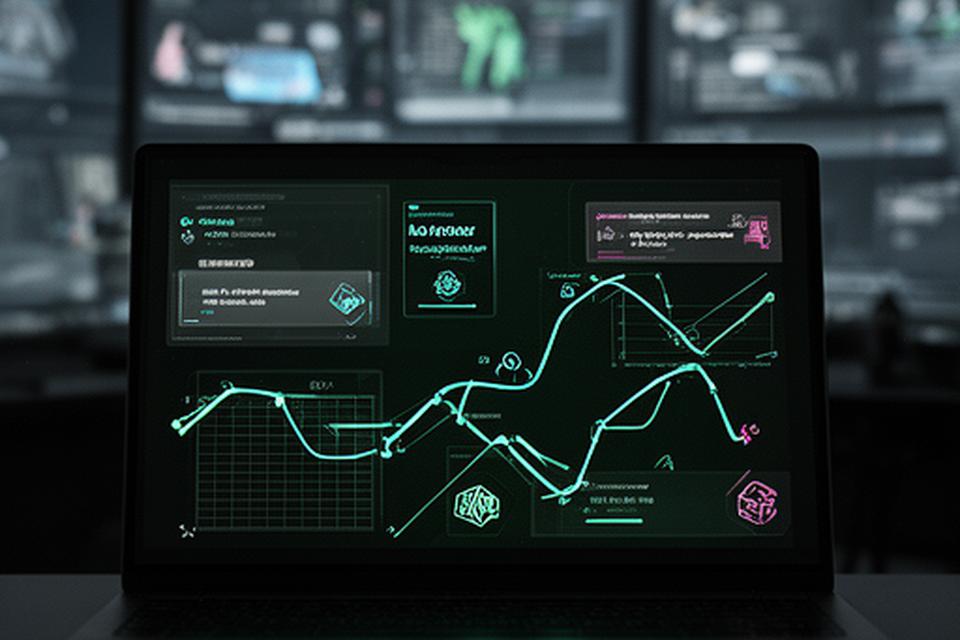
The widget set is intentionally compact. Shift leaders don’t need decoration; they need signal.
Static route sheets age fast. Live routing intelligence doesn’t. Which version would you trust when a port delay lands at 05:12?
Numbers matter here because dispatch teams need proof, not adjectives. These are the kinds of summaries directors can actually use in a meeting.
Idle time, maintenance flags, and compliance exceptions are grouped by shift, so the next coordinator knows exactly where attention belongs.
When incidents hit, the brief updates quickly enough to change driver instructions before the wrong turn becomes an expensive detour.
ELD, Geotab, Samsara, and port authority APIs can all feed the same shift story. Less swivel-chair work. Far less friction.
A New York shipping line reported a 15% reduction in fuel costs after using AI shift briefings to avoid wasteful route choices.
A clear brief changes the rhythm of the whole day. People breathe easier when the route plan stops surprising them.
"We stopped opening the shift with guesswork. The brief told us which lanes were likely to choke, and that gave us room to act."
 Hussaini Htv, Dispatch Lead
"The port updates were the difference. We were able to call drivers early, avoid dead mileage, and keep the handover clean."
 Anaiha Mezu, Fleet Manager
"Why did we choose Leading AI Briefing? Because it turned a noisy operations stack into one briefing we could trust at 6 a.m."
 Olatunji Zahradnicek, Operations Director
Don’t let disjointed planning burn fuel, time, and patience. Leading AI Briefing gives logistics leaders a sharper briefing flow, cleaner handovers, and a faster answer when the network moves unexpectedly.
Need a briefing that keeps pace with traffic, weather, ports, and fleet telematics? Let’s build it properly.